What Actually Happens When Your Glutathione Levels Are Low?
Some wellness ingredients become trendy overnight and disappear just as quickly. Glutathione is not one of them.
Despite recently becoming a buzzy topic in longevity circles, glutathione has actually been studied for decades because of the role it plays in antioxidant defense, cellular protection, detoxification, and oxidative stress regulation throughout the body. It’s naturally produced by the liver and found in nearly every cell, which is why researchers often refer to it as one of the body’s most important antioxidants.
The catch? Your glutathione levels can decline over time due to stress, aging, poor sleep, environmental toxins, alcohol, smoking, chronic inflammation, illness, and nutrient deficiencies.
And when levels start dropping, the effects often show up in ways people don’t immediately connect back to oxidative stress.
First, What Is Glutathione Exactly?
Glutathione is a tripeptide made from three amino acids: cysteine, glutamate, and glycine. Your body makes it naturally, primarily in the liver.
Its main job is helping protect cells from oxidative stress caused by unstable molecules known as free radicals. Oxidative stress happens when free radicals outnumber the antioxidants available to neutralize them, which can lead to cellular damage over time.
Think of glutathione less as a trendy “detox supplement” and more as part of your body’s internal maintenance system. It helps support antioxidant recycling, detoxification pathways, immune function, mitochondrial health, and cellular repair.
You May Feel More Run Down Than Usual
Low glutathione levels are associated with increased oxidative stress, which can leave people feeling depleted, sluggish, or like they’re not recovering well from everyday life.
That doesn’t mean low glutathione is the sole cause of fatigue, but it does play a role in how the body handles physical and environmental stressors. Since glutathione also helps support mitochondrial function, lower levels may affect how efficiently cells produce energy.
This is part of the reason glutathione often comes up in conversations around burnout, recovery, aging, and resilience.
Your Recovery May Feel Slower
Whether it’s intense workouts, travel, poor sleep, alcohol, stress, or simply a packed schedule, modern life creates a significant oxidative load on the body.
Normally, glutathione helps neutralize some of that stress. But when stores become depleted, the body may have a harder time keeping up with inflammation and cellular repair processes.
People often describe this as:
• feeling more inflamed
• taking longer to bounce back
• increased brain fog
• lower resilience overall
Again, these symptoms are nonspecific and can have many causes, but glutathione depletion is increasingly being studied as part of the bigger oxidative stress picture.
Your Skin Can Start Looking Duller
This is where glutathione entered mainstream wellness culture, although the conversation became overly focused on aesthetics.
Because glutathione helps defend against oxidative stress, researchers have explored its relationship to skin health, pigmentation, and visible aging. Oxidative stress can affect collagen integrity and contribute to inflammation within the skin.
That doesn’t mean glutathione is a magic “glow” shortcut, but chronically low antioxidant defenses can absolutely show up externally through dullness, tired-looking skin, and accelerated signs of stress.
Your Body May Struggle More With Environmental Stressors
One of glutathione’s biggest responsibilities is helping support the body’s detoxification systems, particularly in the liver.
Your body is constantly processing:
• pollution
• smoke exposure
• alcohol
• metabolic waste
• chemicals
• medications
• inflammatory byproducts
Glutathione helps bind to and neutralize certain compounds so they can be processed and eliminated appropriately.
This is why glutathione is often discussed in relation to modern environmental load and longevity conversations.
Aging Naturally Reduces Glutathione Levels
One of the more fascinating things about glutathione research is how often aging appears in the conversation.
Studies suggest glutathione levels tend to decline with age, while oxidative stress tends to increase.
Researchers are actively exploring how this imbalance may contribute to inflammation, mitochondrial dysfunction, and age-related cellular changes over time.
That doesn’t mean glutathione is some anti-aging miracle ingredient. It simply means antioxidant capacity appears to matter more as the body ages and encounters cumulative stress over decades.
So How Do You Support Glutathione Levels?
Your body already knows how to produce glutathione naturally, but it requires adequate nutrients and overall metabolic health to do so efficiently.
Research suggests glutathione production may be supported through:
• adequate protein intake
• sulfur-rich foods like garlic and cruciferous vegetables
• sleep
• exercise
• stress management
• nutrients like selenium and NAC (N-acetyl cysteine), which acts as a precursor to glutathione production
Supplementation has also become increasingly popular, particularly liposomal glutathione formulas designed to improve absorption and bioavailability. Some early research suggests liposomal oral glutathione may help increase glutathione stores in the body.
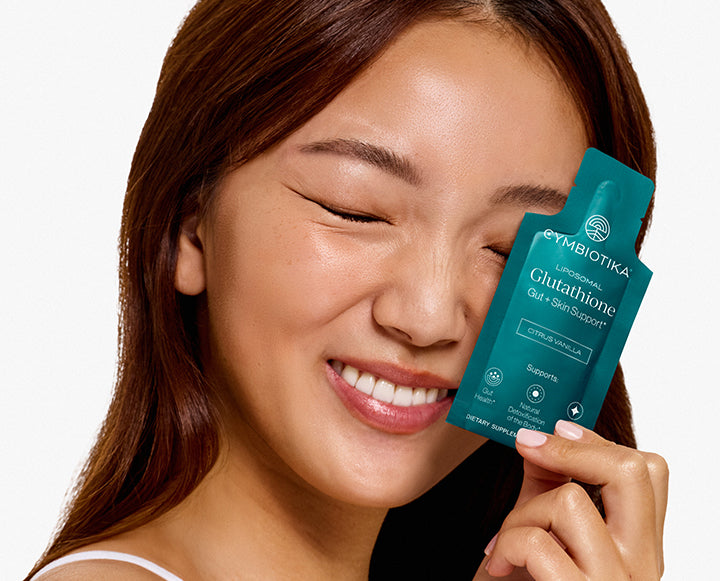
That’s partly why products like Cymbiotika Liposomal Glutathione have become staples in many wellness routines focused on antioxidant support, recovery, and cellular health.