





Table of Contents
- Introduction
- Why Magnesium Matters for the Canadian Brain
- The Challenge of the Blood-Brain Barrier
- Magnesium L-Threonate: The Brain-Specific Form
- Magnesium Bisglycinate: The Calming Alternative
- Other Forms of Magnesium and Their Uses
- Bioavailability and Liposomal Delivery
- Foundations First: The Intentional Living Approach
- How to Build Your Magnesium Routine
- Topical Magnesium: A Different Path
- When to Speak to a Professional
- The CYMBIOTIKA Perspective on Cognitive Longevity
- FAQ
Introduction
You may have noticed a subtle shift in your cognitive clarity lately—perhaps a lingering brain fog during your morning commute in Toronto or a sudden inability to recall a name during a late-afternoon meeting. These moments are often dismissed as "just part of being busy," but they frequently signal that your brain is working harder than it should have to. When we look at supporting our cognitive longevity, magnesium often enters the conversation as a foundational mineral. However, standing in a wellness aisle in Canada can be overwhelming when you see a dozen different versions of the same mineral.
At CYMBIOTIKA, we believe that understanding the "why" behind your supplements is just as important as the supplement itself. This guide will explore the specific forms of magnesium that actually reach the brain, the role of bioavailability, and how to choose a path that fits your unique lifestyle. We will look at the science of the blood-brain barrier, the importance of foundational habits like sleep and diet, and how to supplement with intention once those foundations are in place.
Quick Answer: For targeted brain health, Magnesium L-Threonate is often considered the most effective form because it is specifically designed to cross the blood-brain barrier. Magnesium Bisglycinate is also highly valued for its calming effects and its ability to support restful sleep, which is essential for cognitive recovery.
Why Magnesium Matters for the Canadian Brain
Magnesium is a workhorse mineral, involved in over 300 biochemical reactions in the human body. While it is famous for supporting muscle relaxation and bone health, its role in the central nervous system is arguably its most critical function. In the brain, magnesium acts as a gatekeeper for the NMDA (N-methyl-D-aspartate) receptor. This receptor is a key player in neuroplasticity—the brain’s ability to change, adapt, and form new neural connections.
Neuroplasticity is what allows us to learn new skills, recover from stress, and maintain a sharp memory as we age. When magnesium levels are low, these receptors can become overstimulated, leading to what researchers call excitotoxicity. This can manifest as feelings of restlessness, poor focus, or general cognitive fatigue.
Furthermore, the brain is the most energy-demanding organ in the body. It uses roughly 20 per cent of our total energy, despite making up only a small fraction of our body weight. Magnesium is a required cofactor for the production of ATP (adenosine triphosphate), the primary energy currency of our cells. Without adequate magnesium, the "power plants" in your brain cells cannot operate at their full potential, which many people experience as a lack of mental stamina.
For a broader look at cognitive wellness, explore CYMBIOTIKA’s brain health supplements.
The Challenge of the Blood-Brain Barrier
When we ask which magnesium is good for brain health, we are really asking which magnesium can cross the blood-brain barrier (BBB). The BBB is a highly selective semi-permeable border of cells that protects the brain from toxins and pathogens in the blood while allowing vital nutrients to pass through.
Many common forms of magnesium, such as magnesium oxide or magnesium citrate, are excellent for systemic issues. They may support digestion or help replenish total body stores, but they are not particularly efficient at crossing the BBB. If a magnesium molecule cannot get past this protective shield, it cannot directly influence the synapses or the neural pathways that govern memory and mood.
This is why "bioavailability" is a term you will hear us use frequently. Bioavailability refers to the proportion of a nutrient that enters the circulation and is able to have an active effect. In the context of brain health, we are looking for high "brain bioavailability."
To explore this topic further, read which vitamins support memory and brain health.
Magnesium L-Threonate: The Brain-Specific Form
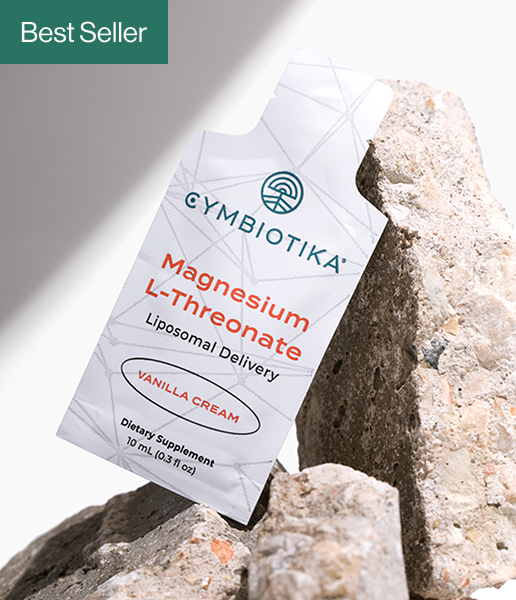
If you are looking for a supplement specifically designed for cognitive support, Magnesium L-Threonate is the primary form to recognise. This unique compound is the result of research into how to specifically increase magnesium concentrations within the brain.
Magnesium L-Threonate is a chelated form of magnesium. Chelation is a process where a mineral is bonded to an organic molecule—in this case, threonic acid (a metabolite of Vitamin C). This specific bond allows the magnesium to bypass the usual limitations of the digestive tract and, more importantly, pass through the blood-brain barrier more effectively than other forms.
Research suggests that Magnesium L-Threonate may support:
- Synaptic Density: It can help maintain the density and function of synapses, which are the communication points between brain cells.
- Memory Formation: By supporting the NMDA receptors, it plays a role in both short-term and long-term memory.
- Cognitive Ageing: For some people, consistent use may support a more resilient brain as they move through different life stages.
Our Magnesium L-Threonate formula is designed with this specific delivery in mind, ensuring that the mineral is not just ingested but is actually utilised where it is needed most.
Magnesium Bisglycinate: The Calming Alternative
While L-Threonate is the specialist for memory and focus, Magnesium Bisglycinate is often the choice for those looking to support the "rest and digest" side of brain health. This form is created by bonding magnesium with two molecules of glycine, an amino acid that functions as an inhibitory neurotransmitter in the brain.
Glycine has a naturally calming effect on the nervous system. When combined with magnesium, it creates a highly bioavailable compound that is exceptionally gentle on the stomach—a common concern with cheaper magnesium salts. For many Canadians managing the stress of a high-pressure career or busy family life, Magnesium Bisglycinate can support:
- Sleep Quality: Sleep is the period when the brain performs "housekeeping," clearing out metabolic waste and consolidating memories.
- Stress Resilience: It supports the regulation of the HPA (hypothalamic-pituitary-adrenal) axis, which is our internal stress-response system.
- Anxiety Support: By promoting a more relaxed neurological state, it may help some individuals manage everyday feelings of worry.
Other Forms of Magnesium and Their Uses
While we focus on L-Threonate and Bisglycinate for the brain, it is helpful to understand where other forms fit in so you can make an intentional choice.
Magnesium Malate
Magnesium malate is magnesium bound to malic acid, which is found naturally in fruits like apples. This form is often associated with energy production because malic acid is a key component of the Krebs cycle (the process by which we make energy). While it may support overall vitality, it is generally considered a better choice for muscle fatigue and physical energy than for direct cognitive enhancement.
Magnesium Taurate
This form is bound to the amino acid taurine. Taurine is known for its role in cardiovascular health and its potential to support blood pressure regulation. There is also evidence that taurine has neuroprotective properties. For someone looking to support both heart health and brain health simultaneously, this can be a thoughtful option.
Magnesium Citrate
This is one of the most common and affordable forms found in Canadian pharmacies. It is highly bioavailable for the body, but it has a natural laxative effect. It is excellent for those who need to support regular digestion, but it is not the ideal choice if your primary goal is increasing brain magnesium levels without affecting your bowels.
Magnesium Oxide
This is a salt consisting of magnesium and oxygen. While it has a high concentration of elemental magnesium, its bioavailability is quite low. Much of it stays in the digestive tract, making it useful for occasional heartburn or constipation, but less effective for systemic or cognitive support.
Key Takeaway: Not all magnesium is created equal. For cognitive performance, look for Magnesium L-Threonate; for stress and sleep support, Magnesium Bisglycinate is a superior choice.
Bioavailability and Liposomal Delivery
To truly understand which magnesium is good for brain health, we must look at how technology can support absorption. Even the best forms of magnesium can face challenges in the acidic environment of the stomach or through the complex journey of the digestive tract.
This is where liposomal delivery comes into play. A liposome is a tiny, fatty bubble (a lipid vesicle) that mimics the structure of our own cell membranes. By wrapping the magnesium in these liposomes, the nutrient is protected as it travels through the digestive system. This strategy is intended to support better absorption by allowing the magnesium to be absorbed directly into the bloodstream through the lymphatic system, bypassing some of the usual digestive hurdles.
At CYMBIOTIKA, we use these advanced delivery technologies in several of our formulas, such as Synergy Vitamin B12 or our Longevity Mushrooms, to ensure that the active ingredients are as bioavailable as possible. When you choose a supplement that prioritises delivery technology, you are making an intentional decision to value quality and absorption over simple "pill count."
For more on this approach, read what you can take for brain health.
Foundations First: The Intentional Living Approach
Supplementation is a powerful tool, but it is most effective when it sits atop a solid foundation of healthy habits. Before adding a brain-supporting magnesium to your routine, we encourage you to look at your daily rhythms.
1. Prioritise Magnesium-Rich Foods
The best place to start is always your plate. Canadian soil quality varies, but incorporating whole foods can provide a diverse array of minerals.
- Leafy Greens: Spinach and kale are classic sources.
- Nuts and Seeds: Pumpkin seeds (pepitas), almonds, and cashews are magnesium powerhouses.
- Legumes: Black beans, lentils, and chickpeas are excellent for both fibre and minerals.
- Dark Chocolate: A high-quality dark chocolate (70% cocoa or higher) is a delicious way to boost your intake.
2. Manage Stress and "Magnesium Burn"
Stress is more than just a feeling; it is a physiological event that consumes nutrients. When we are under chronic stress, our bodies excrete more magnesium through our urine. This creates a cycle where stress depletes magnesium, and low magnesium makes us less resilient to stress. Practising intentional stress management—whether through movement, meditation, or spending time in nature—can help preserve your body's magnesium stores.
3. Sleep as a Cognitive Pillar
No supplement can replace the restorative power of a consistent sleep schedule. Magnesium can help you get to sleep, but maintaining a cool, dark environment and avoiding blue light before bed are the foundations that allow the magnesium to do its work effectively.
For additional ideas, explore good supplements for brain health.
How to Build Your Magnesium Routine
If you have decided to add a magnesium supplement to your wellness programme, we recommend a "start low and go slow" approach. This allows you to track how your body responds and ensures that the supplement is working in harmony with your biology.
Step 1: Identify your primary goal. Are you looking for sharper focus during the day, or better recovery at night? This will determine whether you choose L-Threonate or Bisglycinate.
Step 2: Choose a high-quality, transparent formula. Ensure the label clearly states the form of magnesium used and excludes synthetic fillers or artificial colours.
Step 3: Be consistent. Most people do not notice a difference overnight. It typically takes several weeks of consistent use for magnesium levels to stabilise in the brain and for the subtle benefits to manifest.
Step 4: Reassess. After 30 days, check in with yourself. Is your focus improving? Is your sleep more restful? Adjust your timing or dosage as needed, ideally in consultation with a healthcare professional.
If you are comparing options, you can also use CYMBIOTIKA’s supplement guide to organise your routine.
Topical Magnesium: A Different Path
While oral supplements are the standard for brain health, topical magnesium (often magnesium chloride) is another tool in the wellness kit. Topical Magnesium Oil is absorbed through the skin, bypassing the digestive system entirely. While there is less evidence that topical magnesium significantly raises brain magnesium levels compared to L-Threonate, it is exceptional for muscle relaxation and easing tension after a long day of physical activity.
For some, using a topical spray on the legs or shoulders before bed can be a wonderful sensory cue to the brain that it is time to wind down, complementing an oral routine.
For a closer look at topical magnesium as part of an evening routine, read Why Our “Soles” Crave Magnesium.
When to Speak to a Professional
Wellness is a journey that is best taken with a team of experts. While magnesium is generally considered safe for most adults, there are specific situations where a professional consultation is essential.
If you are experiencing persistent or worsening cognitive issues, such as significant memory loss, frequent confusion, or debilitating "brain fog," it is important to visit your family doctor or a walk-in clinic. These can be symptoms of underlying conditions that require a formal diagnosis.
Important: If you experience signs of a severe allergic reaction—such as swelling of the lips, face, or tongue, trouble breathing, wheezing, or widespread hives—call 911 or go to the nearest emergency room immediately.
You should also consult with a pharmacist or nurse practitioner if:
- You are pregnant, breastfeeding, or trying to conceive.
- You have a history of kidney disease (as the kidneys are responsible for processing excess magnesium).
- You are taking prescription medications, particularly antibiotics, diuretics, or medications for heart rhythm or blood pressure. Magnesium can interact with how these medications are absorbed or processed.
The CYMBIOTIKA Perspective on Cognitive Longevity
Our mission at CYMBIOTIKA is to empower Canadians to make confident, informed decisions about their health. We believe that cognitive wellness is not about a "quick fix" or a "miracle pill." Instead, it is about intentional choices made daily—from the food you eat to the way you manage stress and the supplements you choose to fill the gaps.
When we developed our Golden Mind and Magnesium L-Threonate formulas, we did so with a commitment to transparency and bioavailability. We want you to know exactly what you are putting into your body and why it matters. By focusing on forms like Magnesium L-Threonate that can actually reach the brain, we aim to provide you with the tools you need to live with more clarity and purpose.
In the end, the "best" magnesium is the one that fits into a lifestyle of intention. It is the one that supports your specific needs while you continue to nourish your body with movement, whole foods, and restorative rest.
Bottom line: For direct brain health and memory support, Magnesium L-Threonate is the gold standard due to its ability to cross the blood-brain barrier. Magnesium Bisglycinate is the ideal choice for calming the nervous system and improving the sleep quality necessary for brain health.
FAQ
How long does it take to feel the effects of magnesium for brain health?
Individual response varies, but many people begin to notice subtle improvements in focus or sleep quality after 2 to 4 weeks of consistent use. Magnesium levels in the brain take time to build, so patience and daily consistency are key to seeing results.
Can I take different forms of magnesium together?
Yes, many people find success in "stacking" different forms for different purposes. For example, you might take Magnesium L-Threonate in the morning for cognitive support and Magnesium Bisglycinate in the evening for relaxation and sleep. Always start with one change at a time to see how your body responds.
What is the best time of day to take magnesium for my brain?
The timing depends on the form you are taking. Magnesium L-Threonate is often taken in the morning or early afternoon to support focus. Magnesium Bisglycinate is most effective when taken 30 to 60 minutes before bed to support the transition into restful sleep.
Can I get too much magnesium from supplements?
While the body is generally good at excreting excess magnesium, taking very high doses can lead to digestive upset like diarrhoea or nausea. In rare cases, especially for those with kidney concerns, excessive intake can lead to more serious issues. It is best to stick to the recommended serving size on the label and consult a healthcare professional.


